Walt — Simple Man Takeaway
A cam is a mechanical promise. If the follower loses contact, the timing, motion, and promise are gone.
Cams & Followers — Plate 01
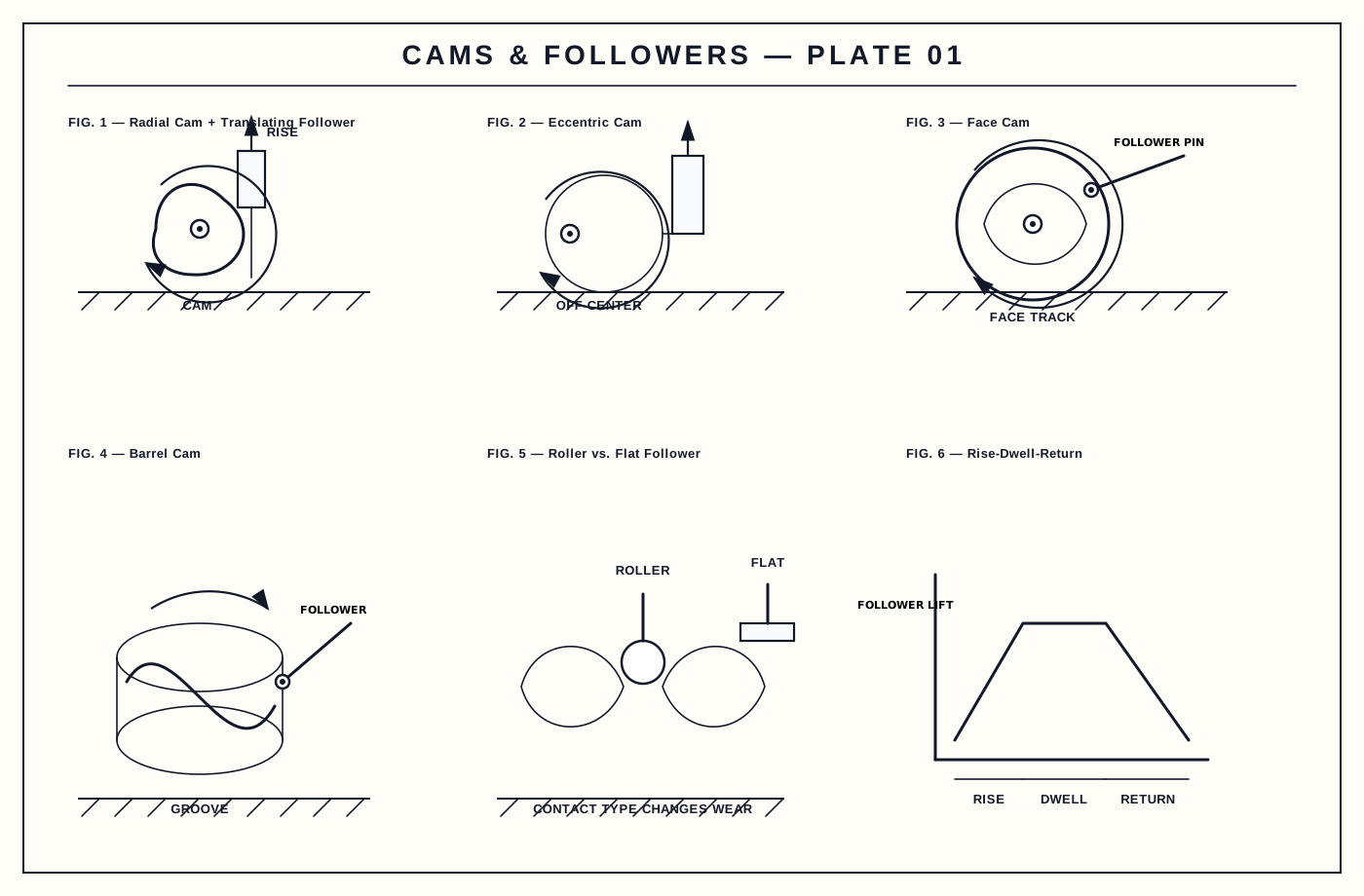
Original Dingfelder patent-style SVG line art. Motion concept drawing only; not a certified load-rated design.
A rotating cam profile creates controlled follower lift.
An off-center circular cam creates simple repeated lift motion.
A track or groove on the face of a rotating plate guides follower motion.
A groove wrapped around a cylinder guides a follower through a timed path.
Follower type affects friction, wear, contact stress, and motion behavior.
A cam can be shaped to lift, hold, and return at specific timing points.
Motion Created
Cams and followers create lift, push, release, dwell, return, timed sequencing, oscillating follower motion, translating follower motion, and mechanical timing without electronic programming.
Common uses
- packaging machines
- feeders
- valve timing
- indexing devices
- trip mechanisms
- automated slides
- timed pushers
- mechanical sequencing
Advantages
- precise mechanical timing
- repeatable motion
- can create dwell periods
- can coordinate machine events
- compact mechanical sequencing
- works without PLC logic for the motion profile
- useful in high-repeat machines
Limitations
- contact wear
- lubrication sensitivity
- follower bounce
- impact at high speed
- spring failure can lose contact
- profile design matters
- difficult to adjust without changing parts
- high acceleration can create high forces
- debris can damage cam/follower surfaces
Common Wear / Failure Points
- worn cam surface
- flat-spotted roller follower
- loose follower bearing
- broken return spring
- follower bounce marks
- timing shift
- loose cam hub
- damaged key
- poor lubrication
- galling or scoring
- worn groove
- follower misalignment
- noise at rise or return
- impact marks near dwell transition
Service and Build Notes
Follower Contact Is Everything
If the follower leaves the cam surface, the intended motion is lost. Check spring force, follower mass, speed, lubrication, wear, and profile condition.
Dwell Is Not Dead Time
A dwell period is an intentional hold in motion. If dwell changes, the machine timing may change.
Lubrication and Cleanliness Matter
Cam surfaces and followers are contact surfaces. Dirt, poor lubrication, wear, and misalignment can change timing and force.
Cam Timing Must Be Marked
If a cam hub slips, the machine may still move but at the wrong time. Timing marks, keys, set screws, and hub fit matter.
R.E.A.L. / Ghost Busting Questions
- Was there a point when timing was correct?
- When did the timing, noise, bounce, or missed motion begin?
- What changed: speed, spring, follower, lubrication, cam, product, or timing mark?
- Is the follower staying in contact?
- Is the cam surface worn or damaged?
- Is the roller follower flat-spotted or loose?
- Did the cam hub slip?
- Did the spring weaken or break?
- Is the follower guide worn or misaligned?
Load Capability / Safety Factor Reminder
Cam forces can spike because of acceleration, follower mass, spring force, contact geometry, speed, impact, and dwell transitions. The cam surface, follower, bearing, shaft, hub, key, fasteners, spring, guide, frame, and driven mechanism are all part of the load path. Check contact stress, wear, lubrication, speed, impact, fatigue, guarding, and required safety factor before using or modifying a cam system.
Equalize load-carrying capability. Eliminate accidental weak links. Use sacrificial weak links only when they are deliberately engineered, easy to identify, safe when they operate, and protecting something more important.
- actual applied load and full load path
- material, pins, pivots, fasteners, welds, brackets, bearings, guides, and frame capacity
- fatigue, shock, acceleration, deceleration, inertia, and wear
- guarding, environment, release behavior, and required safety factor
- OEM, site, code, standard, or engineering requirements
Walt says STOP! - Safety First
Make these checks prior to proceeding.
Stop before adjusting, repairing, cycling, or modifying cam and follower mechanisms when the cam can move automatically; the follower can pinch, crush, strike, or shear; springs are loaded; timing affects other machine motion; a cam hub, key, set screw, follower, or spring is loose or damaged; guards are open or removed; or follower contact is uncertain.
Stop before building, modifying, repairing, releasing, or using this mechanism under load unless the load path, material, pins, pivots, fasteners, welds, frame, guarding, fatigue, wear, environment, and required safety factor have been verified.
Patent & Prior-Art Notes
This mechanism family is long-established and should not be credited to a single patent unless a specific implementation, improvement, or application is being discussed. Patent research is pending for representative, improvement, application, and historical examples.
Final Sourcebook drawings are original Dingfelder drawings and are not copied patent plates. Status not verified. Verify against official patent records before relying on legal status.
Related Mechanisms
- Slider-Crank Mechanisms
- Four-Bar Linkages
- Levers
- Feed & Escapement Concepts
- Geneva Mechanisms
- Detents, Latches & Catches
Related Field Handbook Pages
Page-Level Source Notes
This page is original Dingfelder practical field guidance. Mechanism principles are long-established mechanical concepts. Patent and prior-art references should be credited where used, but final drawings and explanations should remain original Dingfelder work. Mechanism design, guarding, load control, pinch-point protection, and safety-related applications should be verified by qualified engineering, safety, or maintenance authority where applicable.